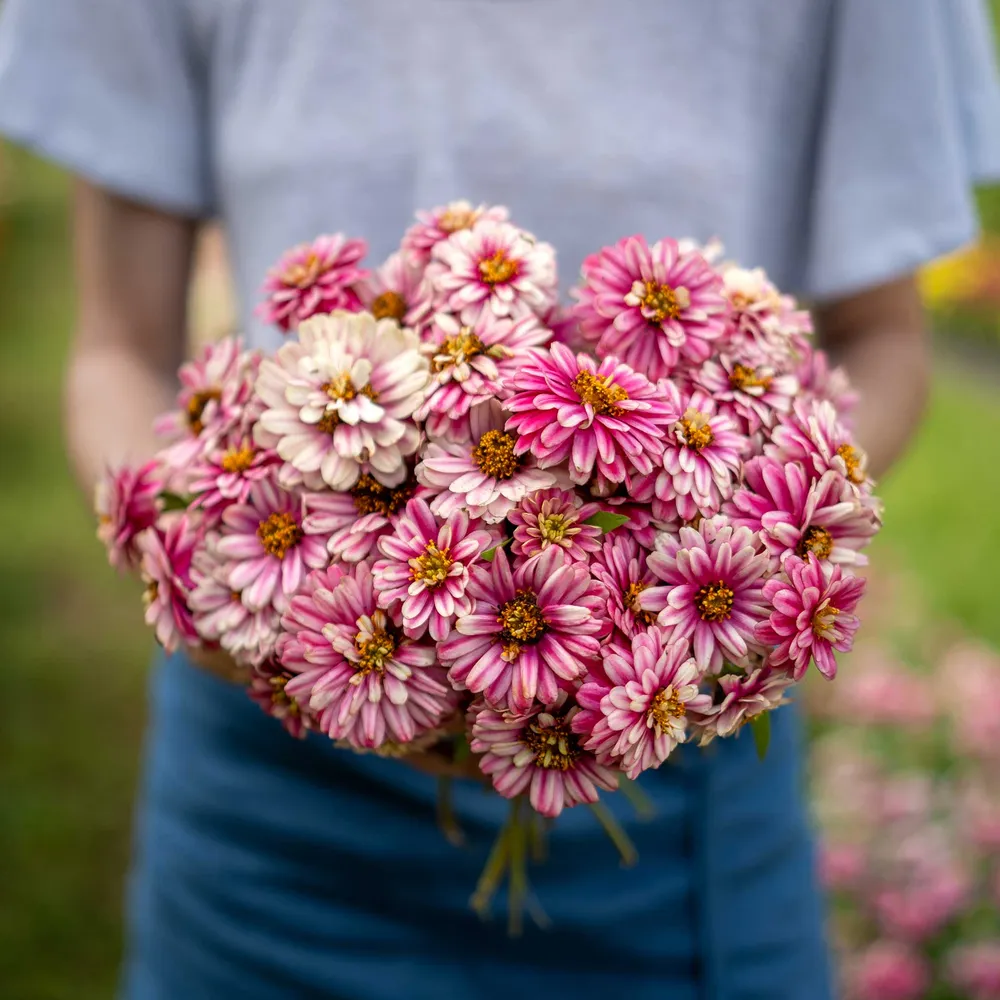
VEGSOW Zahara Double Raspberry Ripple Zinnia Seeds - Heat Tolerant Annual Flower Seeds
$4.00
- Produces double-petaled, raspberry-colored blooms throughout the growing season.
- Exhibits high heat and humidity tolerance once established in the garden.
- Compact growth habit suitable for containers, borders, and landscape beds.
- Requires warm soil temperatures (above 70°F) for consistent germination success.
Style: Packet
Zahara Double Raspberry Ripple Zinnia Seeds
The Zahara Double Raspberry Ripple Zinnia is a versatile annual variety known for its distinct, multi-toned petals and compact, bushy growth habit. These flowers are suitable for gardeners looking to add consistent color to sunny garden beds, containers, or cut flower arrangements. By understanding the specific environmental requirements of this variety, gardeners can achieve successful growth cycles.
Cultivation and Germination Guidelines
To address common concerns regarding germination, it is essential to provide the correct environmental conditions. These seeds are temperature-sensitive and require warm soil to sprout effectively. Planting should be delayed until the danger of frost has passed and soil temperatures consistently reach 70°F (21°C) or higher. Cold, overly wet soil can inhibit the germination process and lead to slow early development.
Growing Requirements
- Light Exposure: Requires full sun exposure, ideally 6 to 8 hours of direct sunlight daily for optimal bloom production.
- Soil Conditions: Prefers well-draining soil. Avoid waterlogged areas, as excessive moisture in cool temperatures can impact root health.
- Spacing: Space plants 12 to 18 inches apart to ensure adequate air circulation, which helps maintain plant vigor.
- Watering: Once established, these zinnias demonstrate resilience to heat. Water at the base of the plant to keep foliage dry and reduce the risk of fungal issues.
Plant Characteristics
These zinnias are characterized by their double-petaled flowers that feature a blend of raspberry and lighter pink hues. The plants typically reach a manageable height, making them appropriate for the front or middle of flower borders. Consistent deadheading throughout the season will encourage the development of new buds and extend the flowering period until the first frost.
You May Also Like