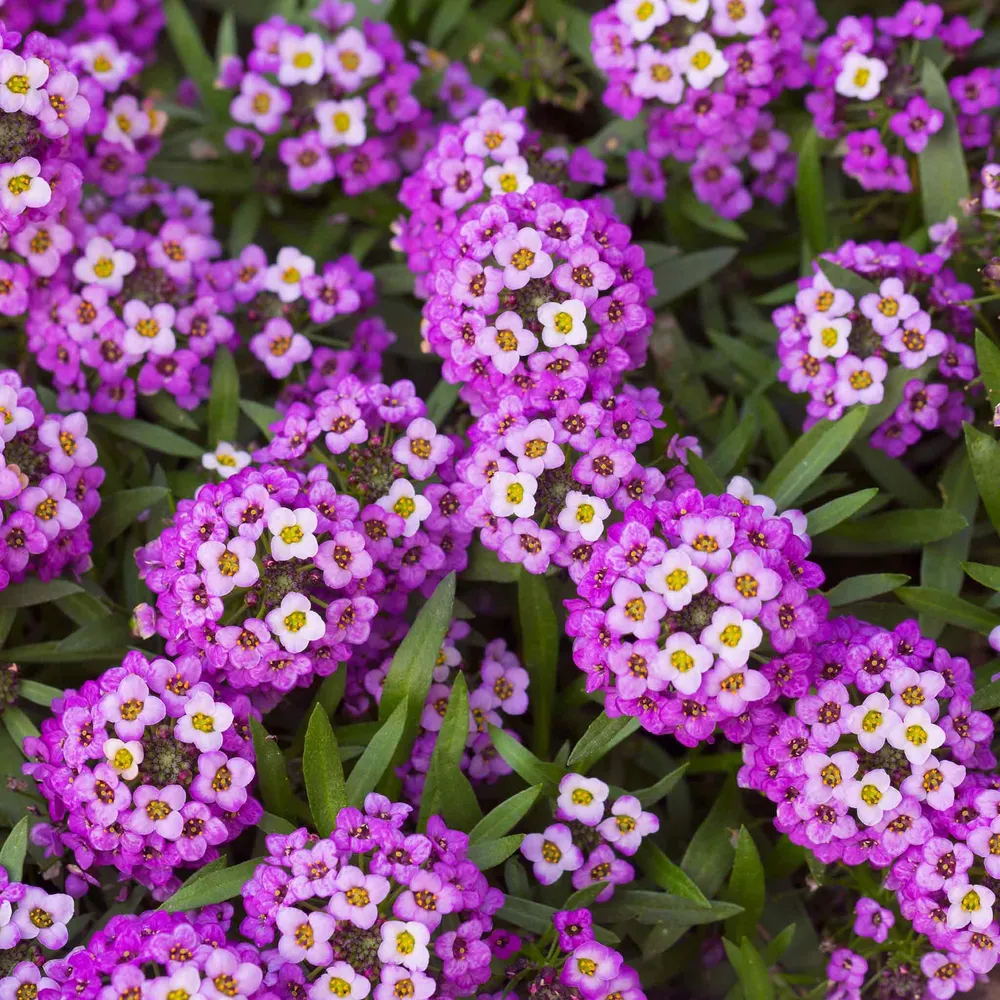
VEGSOW Sweet Alyssum Seeds (Dwarf) - Royal Carpet
$3.00
- Dwarf growth habit, reaching a mature height of 3-4 inches.
- Deep purple-violet flower clusters suitable for borders and containers.
- Annual variety adapted for full sun to partial shade environments.
- High-viability seeds require consistent soil moisture for successful germination.
Style: Packet
Royal Carpet Sweet Alyssum: Dwarf Variety Overview
The Royal Carpet Sweet Alyssum is a low-growing, spreading annual plant, scientifically known as Lobularia maritima. This dwarf variety is characterized by its dense, carpet-like growth habit, making it a functional choice for rock gardens, pathway borders, and container arrangements. The plant produces small, fragrant violet-purple flowers that bloom throughout the growing season.
Cultivation and Germination Guidelines
To achieve successful growth, proper environmental conditions are required. These seeds perform best when sown in well-draining soil after the danger of frost has passed. Consistent soil moisture is necessary during the initial germination phase. If planting in regions with cold climates, ensure the soil temperature has reached a stable level, as these seeds will not germinate in freezing or near-freezing conditions.
Key Botanical Characteristics
- Plant Type: Annual
- Growth Habit: Dwarf, spreading (3-4 inches in height)
- Flower Color: Deep violet-purple
- Sun Exposure: Full sun to partial shade
- Water Requirements: Moderate; maintain even soil moisture
- Usage: Ground cover, edging, hanging baskets, and rock gardens
Planting Recommendations
For optimal results, surface sow the seeds and lightly press them into the soil, as they require light to germinate. Avoid burying the seeds too deeply. Maintain a consistent watering schedule, ensuring the soil remains moist but not waterlogged. In cooler climates, start seeds indoors 4-6 weeks before the last expected frost date to extend the flowering period.
You May Also Like