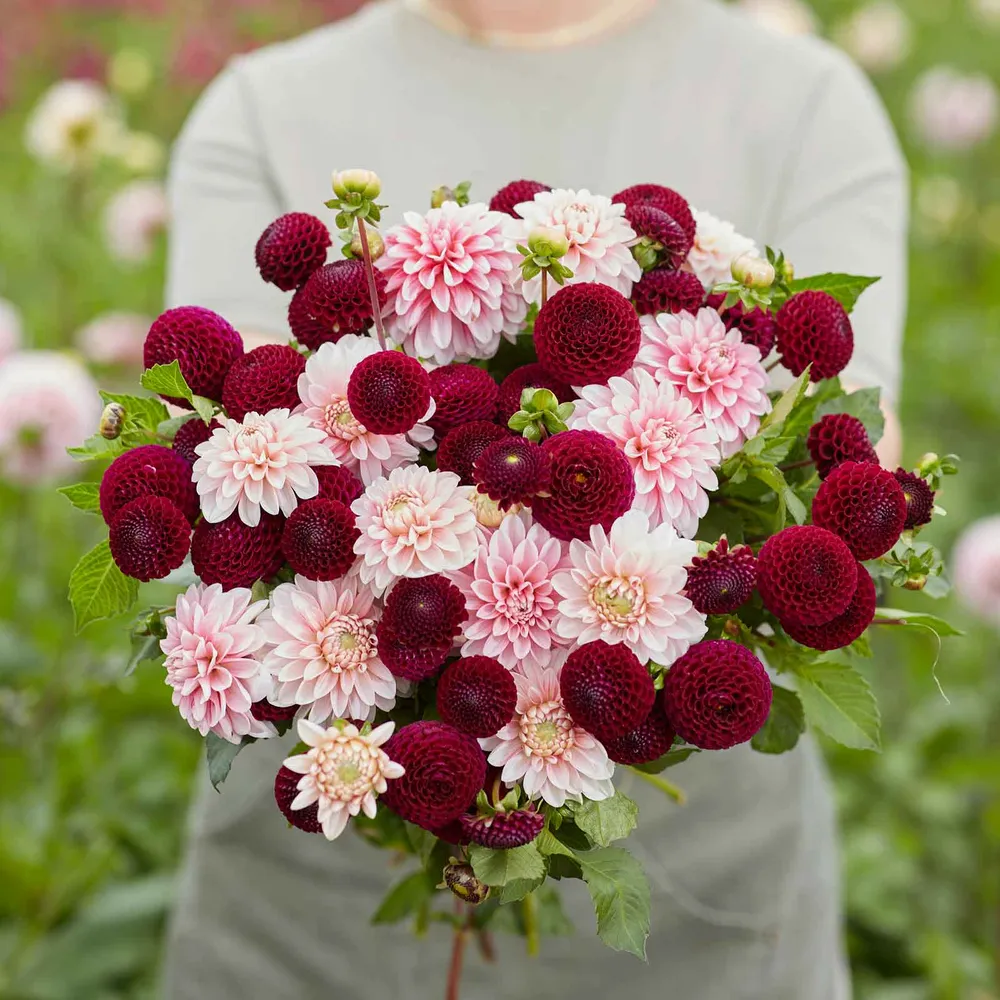
VEGSOW Scarlet Blush Dahlia Tubers - Dual-Tone Perennial Flower Bulbs
$24.00
- Features a distinct scarlet and blush dual-tone color profile for seasonal garden aesthetics.
- Tubers are inspected for structural integrity to support consistent development.
- Designed for standard soil cultivation with clear planting depth requirements.
- Provides reliable growth cycles when planted in well-draining, nutrient-rich substrates.
Style: 4 Bulbs / Ships in Spring
Overview of Scarlet Blush Dahlia Tubers
The Scarlet Blush Dahlia Tubers offer a reliable foundation for seasonal flower gardening. These tubers are processed to maintain moisture levels and structural viability, ensuring they are ready for planting in appropriate garden conditions. By focusing on proper tuber selection and storage, these bulbs are prepared to support the natural growth cycle of the plant.
Planting and Cultivation Guidelines
To achieve optimal results, it is recommended to plant these tubers in well-draining soil with a pH level between 6.0 and 7.5. Consistent soil temperature and moisture management are critical factors in the emergence of healthy shoots. Unlike seeds, these tubers provide a pre-stored energy reserve, which assists in the initial development phases of the plant.
Technical Specifications and Care
- Plant Type: Perennial tuberous flower.
- Coloration: Scarlet and blush dual-tone petals.
- Planting Depth: Recommended 4 to 6 inches below the soil surface.
- Spacing: Maintain 18 to 24 inches between individual tubers to allow for adequate airflow and root expansion.
- Sunlight Requirement: Full sun exposure, typically 6 to 8 hours daily.
- Substrate Compatibility: Suitable for loamy or sandy soil types with organic matter incorporation.
Addressing Growth Consistency
Successful cultivation depends on environmental variables. To mitigate common issues such as delayed sprouting or stunted growth, ensure the soil is not excessively compacted and that irrigation is applied consistently without waterlogging the root zone. Providing a stable environment during the first few weeks after planting is essential for the transition from dormancy to active vegetative growth.
You May Also Like