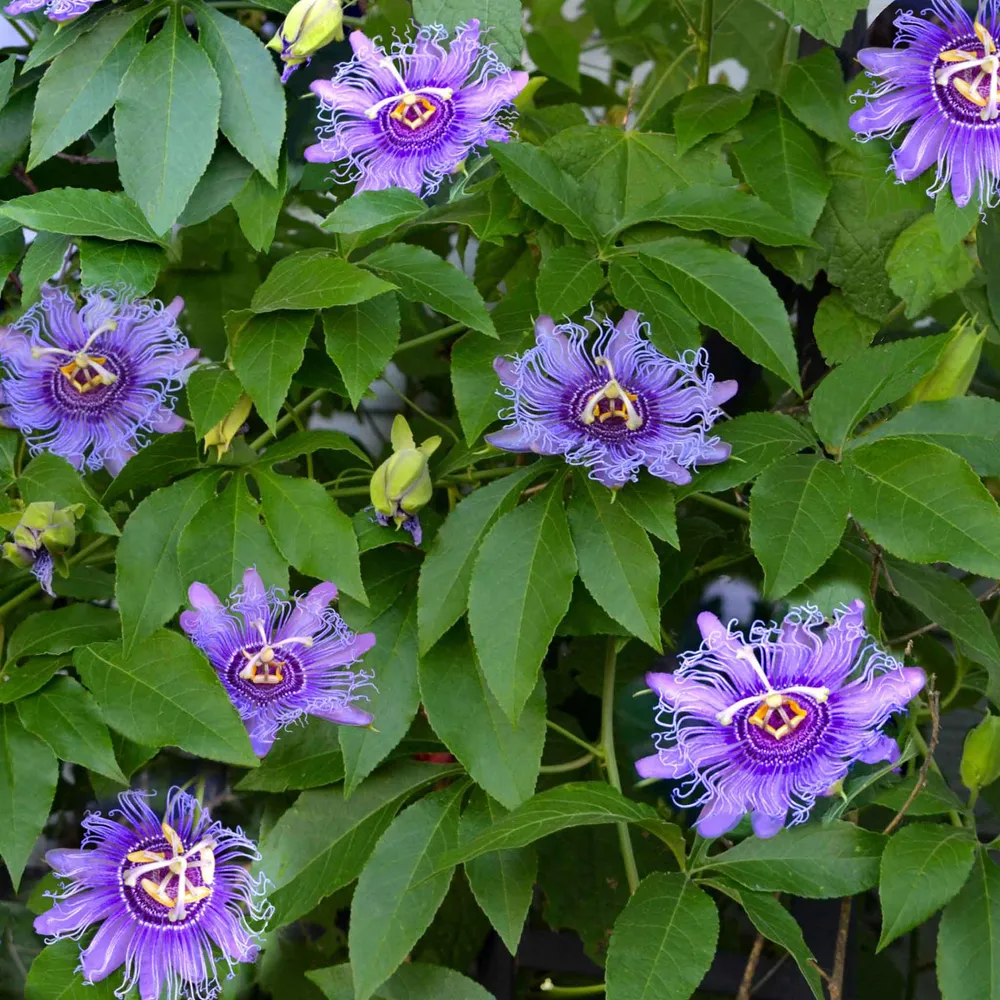
VEGSOW Purple Passion Flower Seeds - Passiflora Incarnata Heirloom Seeds
$4.00
- Features Passiflora Incarnata seeds for perennial climbing vine cultivation.
- Suitable for outdoor garden planting in appropriate climate zones.
- Produces distinctive purple-hued flowers characteristic of the species.
- Packaged for consistent seed viability and storage stability.
Style: Packet
Cultivating Purple Passion Flower (Passiflora Incarnata)
The Purple Passion Flower, scientifically known as Passiflora Incarnata, is a perennial climbing vine recognized for its intricate floral structure and rapid growth habit. These seeds are sourced to provide gardeners with the opportunity to propagate this exotic species in home landscapes or controlled garden environments.
Botanical Characteristics
Passiflora Incarnata is a hardy vine that thrives in sunny locations with well-draining soil. As a climbing plant, it requires a trellis, fence, or support structure to facilitate vertical growth. The plant is known for its unique, complex flower anatomy, featuring a central corona surrounded by purple and white petals.
Planting and Germination Guidance
- Preparation: Seeds may benefit from a period of cold stratification to improve germination rates. Soaking seeds in water for 24 hours prior to planting can assist in softening the seed coat.
- Soil Requirements: Use a well-draining seed-starting mix. Maintain consistent soil moisture without waterlogging the medium.
- Temperature: Germination is most successful when soil temperatures are consistently maintained between 70°F and 80°F (21°C - 27°C).
- Light Exposure: Place seedlings in a location with bright, indirect light until they are established, then transition to full sun exposure.
Growth and Maintenance
Once established, the vine demonstrates vigorous growth. Regular pruning can help manage the size and shape of the plant. Ensure the plant has adequate space to climb, as it utilizes tendrils to attach to support structures. In colder climates, the plant may die back to the ground in winter and re-emerge from the root system in the spring, provided the roots are protected from deep freezing.
You May Also Like