VEGSOW Purple Coneflower Seeds (Echinacea Purpurea) - Perennial Pollinator Garden Seeds
$3.00
- Species-Specific: Contains pure Echinacea purpurea seeds, ensuring targeted growth without unwanted filler species.
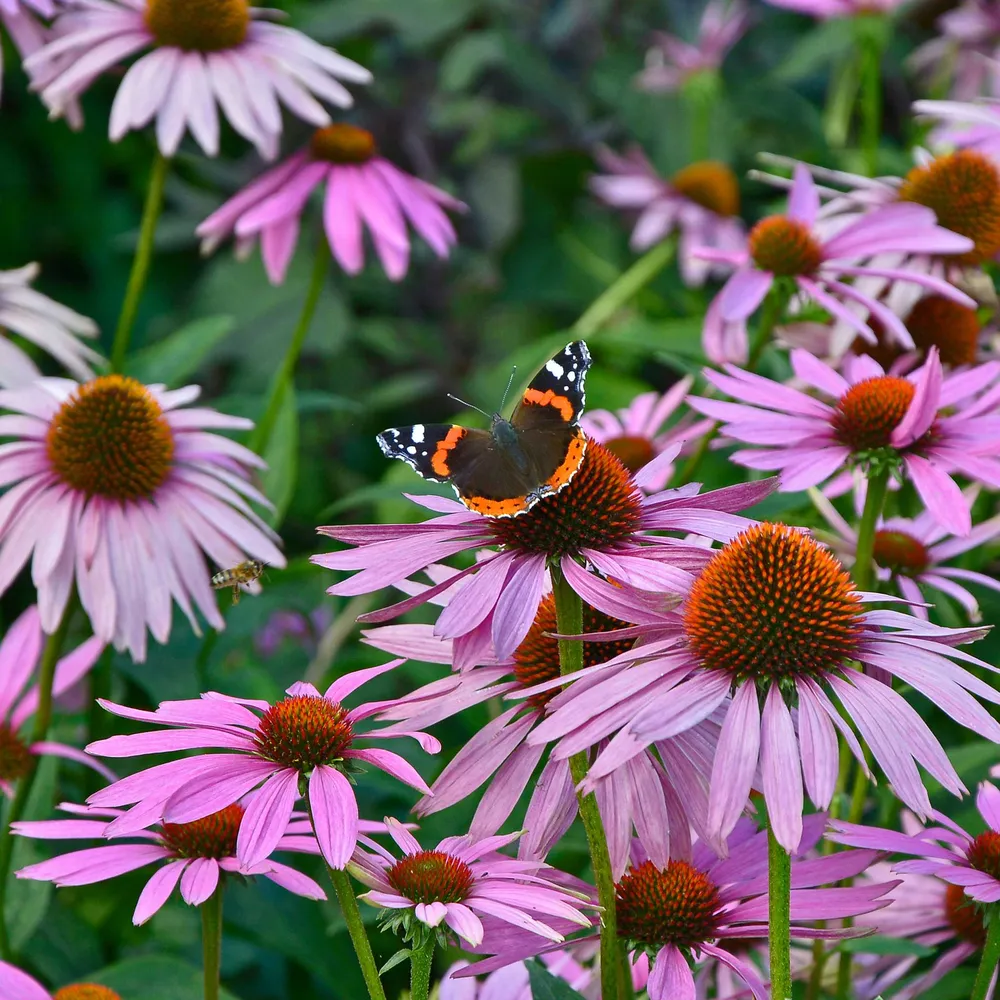
- Pollinator Support: Produces nectar-rich blooms known to attract bees, butterflies, and other essential pollinators.
- Hardy Perennial: Adapted to return year after year, establishing deep root systems in various soil types.
- Clear Cultivation: Includes detailed planting and stratification guidelines to improve germination success rates.
Style: Packet
Purple Coneflower (Echinacea Purpurea) Seed Overview
The Purple Coneflower is a recognized perennial species valued for its distinct cone-shaped centers and vibrant purple petals. These seeds are selected for gardeners looking to establish reliable, long-lasting floral displays. As a hardy plant, it is well-suited for temperate climates and integrates into various landscape designs, from formal flower beds to naturalized meadow gardens.
Botanical Characteristics and Growth
- Plant Type: Herbaceous perennial.
- Bloom Season: Typically mid-summer through early autumn.
- Growth Habit: Upright stems reaching heights of 2 to 4 feet.
- Environmental Adaptability: Exhibits tolerance to dry soil conditions once established.
Cultivation and Germination Guidance
To ensure successful development, proper soil preparation is required. These seeds benefit from a period of cold stratification to break dormancy, which mimics natural winter cycles. Sow seeds in well-draining soil in a location that receives full sun to partial shade. Consistent moisture is necessary during the initial germination phase until seedlings reach a height of 3 to 4 inches. Once established, the plants require minimal supplemental watering.
Supporting Local Ecosystems
By focusing on specific native-range species like Echinacea, gardeners can provide a consistent food source for local pollinators. Unlike mixed-seed packets that may contain non-native varieties, these seeds provide a focused approach to habitat restoration. The structure of the flower head provides a landing platform for butterflies and a seed source for birds during the late autumn months.
You May Also Like