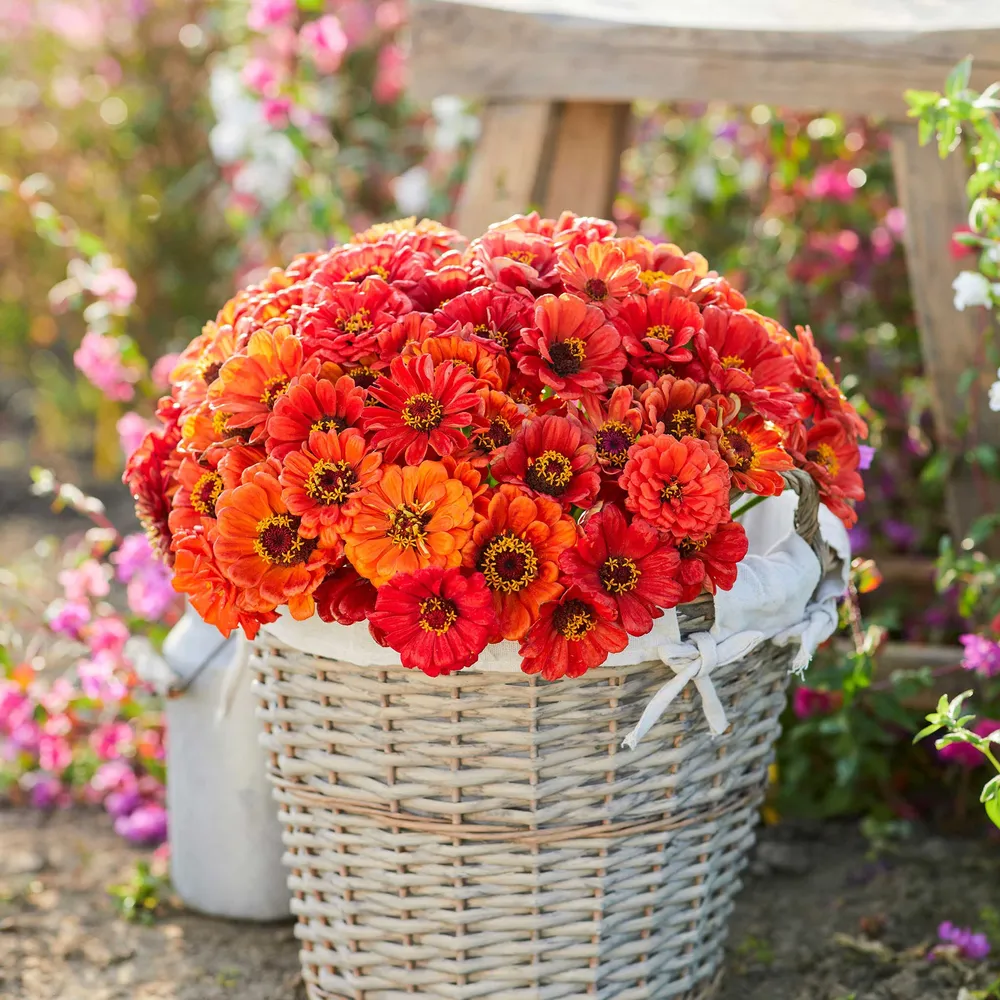
VEGSOW Oriole Zinnia Seeds - Tall Heirloom Annual Flower Seeds
$3.00
- Produces tall, vibrant Oriole Zinnia blooms suitable for garden borders and cut flower arrangements.
- Heirloom variety adapted for seasonal growth in temperate climates.
- Requires consistent soil temperature and proper moisture management for successful germination.
- Standardized seed count per packet for home garden planting.
Style: Packet
Cultivating Oriole Zinnias in Your Home Garden
The Oriole Zinnia is a classic heirloom variety known for its height and distinct floral structure. These annual flower seeds are selected for gardeners who appreciate traditional garden aesthetics and long-stemmed blooms. By understanding the specific environmental requirements of this variety, gardeners can achieve consistent growth and healthy plant development throughout the flowering season.
Planting and Germination Guidelines
Successful germination of Zinnia seeds is highly dependent on environmental conditions. These seeds require warm soil temperatures to break dormancy effectively. It is recommended to sow seeds only after the danger of frost has passed and the soil has warmed sufficiently. Excessive rain or cool, damp soil conditions can impede the germination process and lead to seed rot. Providing well-draining soil and adequate sunlight is essential for supporting the growth cycle from seedling to mature flower.
Technical Specifications and Care
- Plant Type: Annual Heirloom Zinnia
- Growth Habit: Tall, upright stems suitable for cutting
- Light Requirement: Full sun exposure
- Soil Preference: Well-draining, fertile soil
- Optimal Germination Temperature: 70°F to 80°F (21°C to 27°C)
- Watering Needs: Moderate; avoid waterlogging the soil to ensure root health
Tips for Successful Growth
To maximize the success rate, ensure the planting site receives at least six to eight hours of direct sunlight daily. If planting in regions with unpredictable spring weather, consider starting seeds in a controlled indoor environment with supplemental heat mats before transplanting. Proper spacing between plants is also necessary to encourage air circulation, which helps maintain plant vigor and reduces the risk of moisture-related issues.
You May Also Like