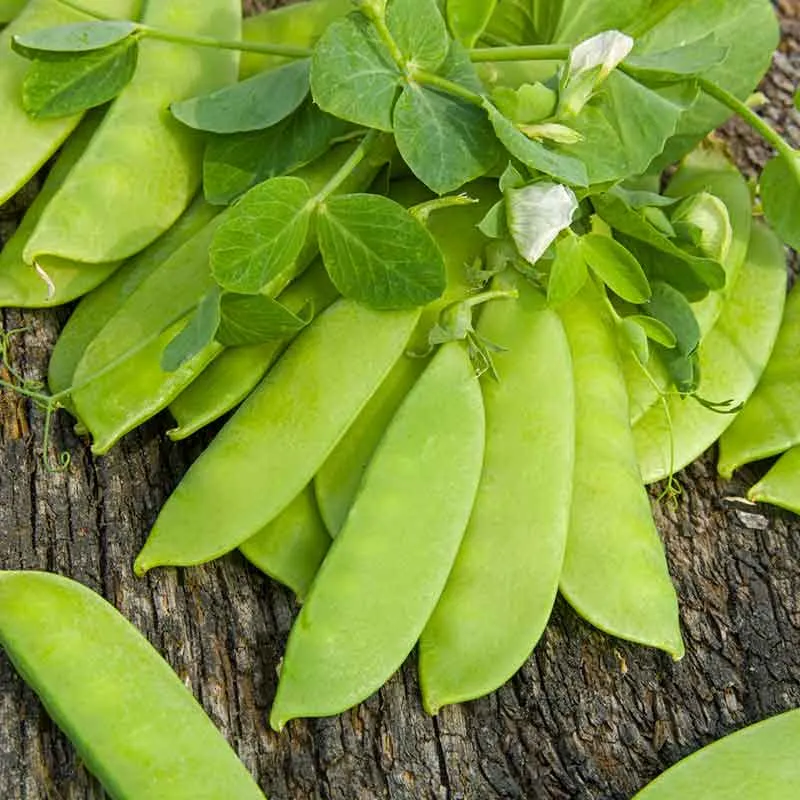
VEGSOW Mammoth Melting Pea Seeds - Heirloom Sugar Snap Peas
$3.00
- High-viability seeds selected for consistent germination rates in standard soil conditions.
- Produces vigorous, climbing vines suitable for trellis or fence support.
- Heirloom variety known for sweet, edible-pod sugar snap peas.
- Optimized for home vegetable gardens and backyard cultivation.
Style: 1 Ounce
Mammoth Melting Pea Seeds for Home Gardens
The Mammoth Melting pea is a classic heirloom variety prized for its large, tender, and sweet edible pods. These seeds are sourced and processed to maintain viability, providing gardeners with a reliable foundation for their vegetable patches. Whether you are an experienced gardener or a beginner, these seeds offer a straightforward cultivation process when provided with adequate sunlight and well-draining soil.
Cultivation and Growth Characteristics
These peas are vining plants that thrive when given vertical support. By utilizing trellises or netting, you can maximize garden space and improve air circulation around the plants, which supports healthy development from germination through the flowering stage. The Mammoth Melting variety is specifically noted for its ability to produce heavy yields of pods that remain tender even as they reach full size.
Growing Guidelines for Optimal Results
- Soil Preparation: Plant in well-draining soil with a neutral pH. Ensure the soil is worked to a fine texture to support root development.
- Germination Requirements: Maintain consistent soil moisture during the initial 7-14 day germination period. Avoid waterlogged conditions to prevent seed rot.
- Sunlight Exposure: These plants require full sun exposure, typically 6-8 hours of direct light daily, to support the energy-intensive flowering and pod-setting phases.
- Support Systems: Install vertical supports at the time of planting to accommodate the vining nature of the plants as they mature.
- Environmental Factors: For best results, plant during cool-weather windows, as pea plants are sensitive to extreme heat, which can impact flowering and pod production.
You May Also Like