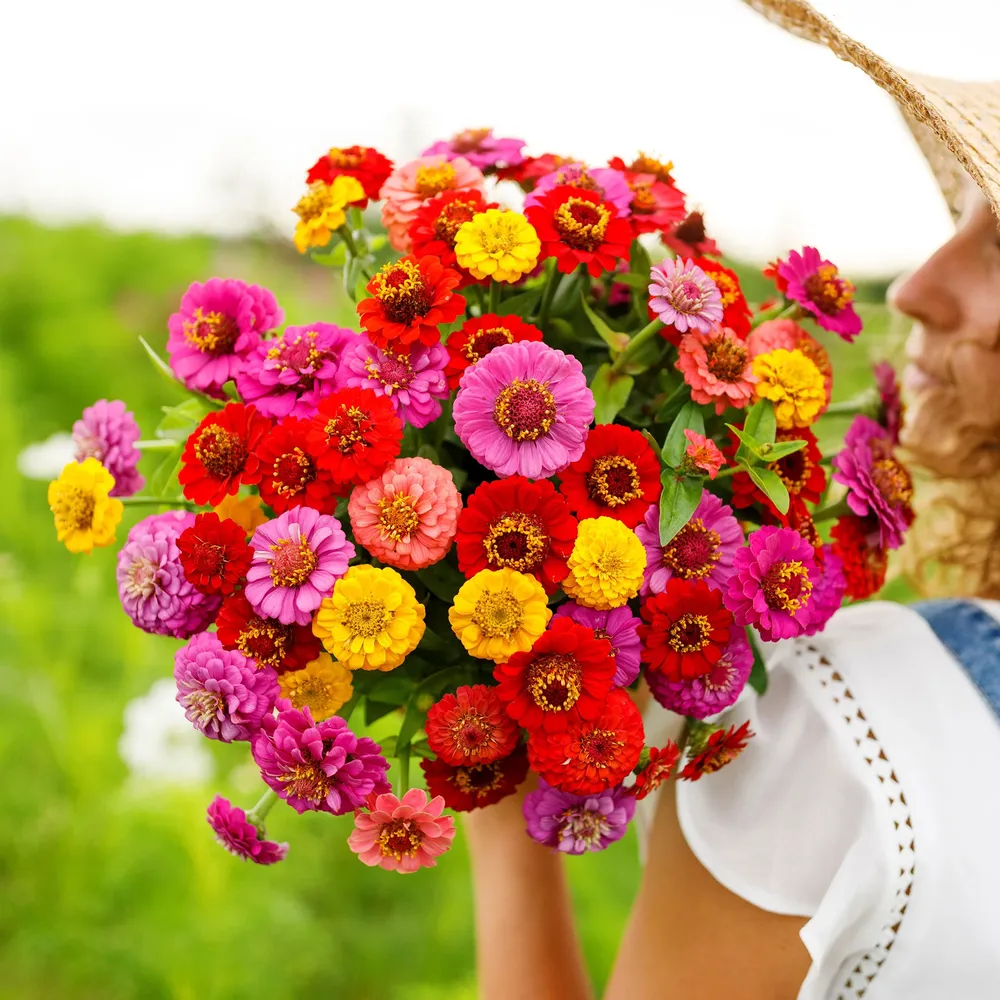
VEGSOW Lilliput Zinnia Seeds - Compact Annual Flower Mix
$3.00
- Produces compact, multi-colored Lilliput Zinnia blooms ideal for garden borders and containers.
- Annual plant variety suitable for full sun exposure and well-drained soil conditions.
- Reliable seed stock selected for consistent germination when provided with proper environmental conditions.
- Supports local pollinator activity by providing nectar-rich flower heads throughout the growing season.
Style: Packet
Lilliput Zinnia Flower Seeds: Compact Growth and Vibrant Color
The Lilliput Zinnia mix provides a reliable option for gardeners seeking compact, uniform, and colorful annual flowers. These zinnias are characterized by their smaller, pom-pom-like blooms and sturdy stems, making them a functional choice for garden edging, container gardening, or cut flower arrangements.
Cultivation and Planting Guidelines
To ensure successful growth, please follow these standard horticultural practices:
- Soil Preparation: Sow seeds in well-drained, fertile soil after the final spring frost. Ensure the soil is loosened to a depth of 6 inches to allow for proper root development.
- Sowing Depth: Plant seeds approximately 1/4 inch deep. Covering seeds too deeply may inhibit germination.
- Spacing: Space plants 8 to 12 inches apart to allow for adequate air circulation, which helps maintain plant health and reduces the risk of fungal issues.
- Watering: Keep the soil consistently moist but not waterlogged during the germination phase. Once established, zinnias are moderately drought-tolerant but perform best with regular watering during dry periods.
- Light Requirements: These plants require full sun exposure, ideally 6 to 8 hours of direct sunlight daily, to produce maximum blooms.
Understanding Your Seed Mix
This package contains a specific selection of Lilliput Zinnia seeds. Please note that this is a specialized ornamental flower mix. While these flowers provide nectar for various pollinators, they are distinct from regional native wildflower mixtures. Gardeners aiming to support specific local ecosystems should verify the native status of these varieties against their regional botanical database. Consistent maintenance, including deadheading spent blooms, will encourage the plants to continue producing flowers throughout the summer and into the early autumn months.
You May Also Like