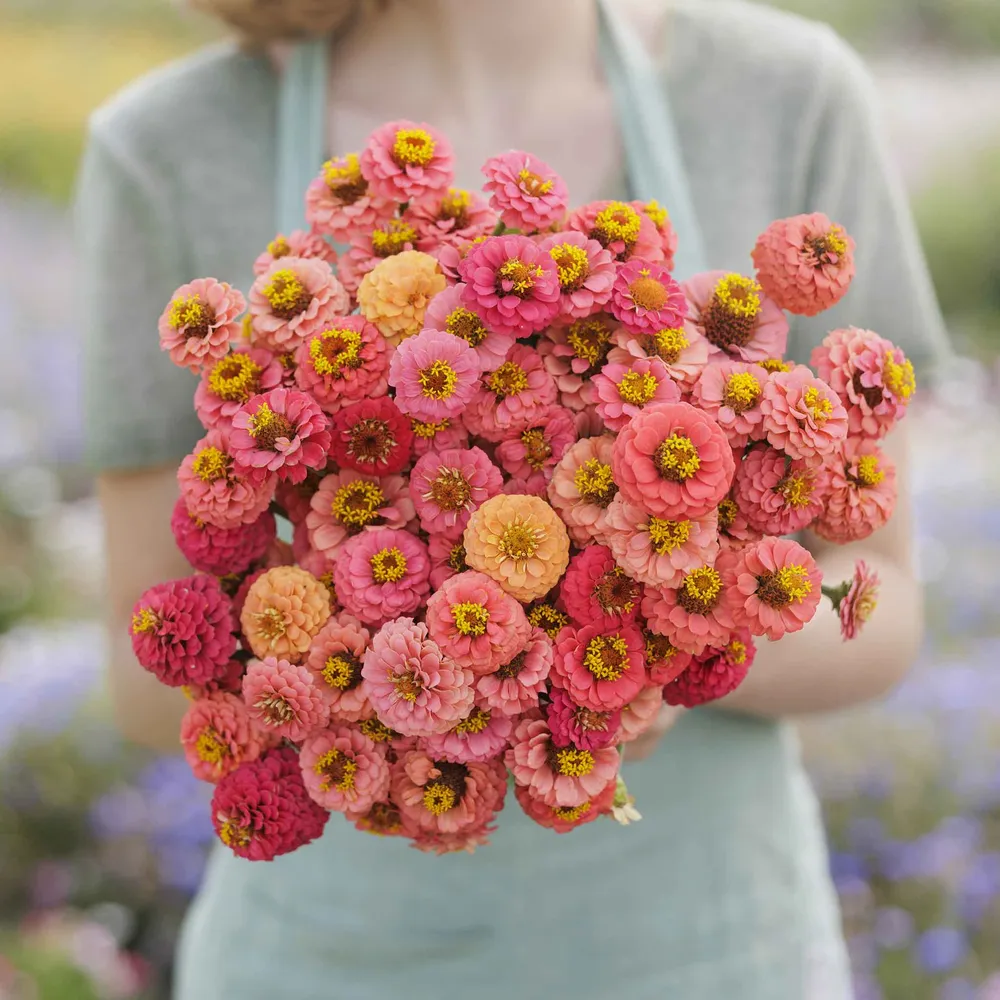
VEGSOW Lilliput Salmon Zinnia Seeds - Annual Cut Flower Variety
$3.00
- Produces uniform, salmon-colored blooms suitable for cut flower arrangements.
- Annual growth cycle designed for seasonal garden displays.
- Clear planting and cultivation guidelines included for consistent results.
- High-viability seeds selected for reliable germination in appropriate soil conditions.
Style: Packet
Lilliput Salmon Zinnia: Cultivation and Characteristics
The Lilliput Salmon Zinnia is a compact annual variety known for its prolific production of small, fully double, salmon-pink flowers. These plants are frequently utilized in garden borders and as a source of cut flowers due to their sturdy stems and long-lasting nature in vases. This seed packet provides the necessary biological material to establish these annuals in a home garden setting.
Planting and Germination Guidance
To ensure successful growth, these seeds require specific environmental conditions. It is recommended to sow seeds directly into well-draining soil after the final frost date when temperatures have consistently warmed. Proper spacing is essential to allow for adequate air circulation, which helps maintain plant health throughout the growing season.
Garden Integration
- Soil Requirements: Thrives in fertile, well-draining soil with a neutral pH.
- Sun Exposure: Requires full sun exposure, defined as at least 6 to 8 hours of direct sunlight daily.
- Watering Practices: Maintain consistent soil moisture during the germination phase; once established, allow the soil to dry slightly between waterings to prevent root saturation.
- Maintenance: Regular deadheading of spent blooms encourages the plant to direct energy toward producing new flower buds throughout the summer and early autumn.
Environmental Stewardship
When planning a garden, consider the role of annuals within the local ecosystem. While these Zinnias are non-native to many regions, they serve as a nectar source for various pollinators. Gardeners are encouraged to research local native plant requirements to create a balanced habitat that supports regional butterfly populations and biodiversity alongside cultivated annual varieties.
You May Also Like