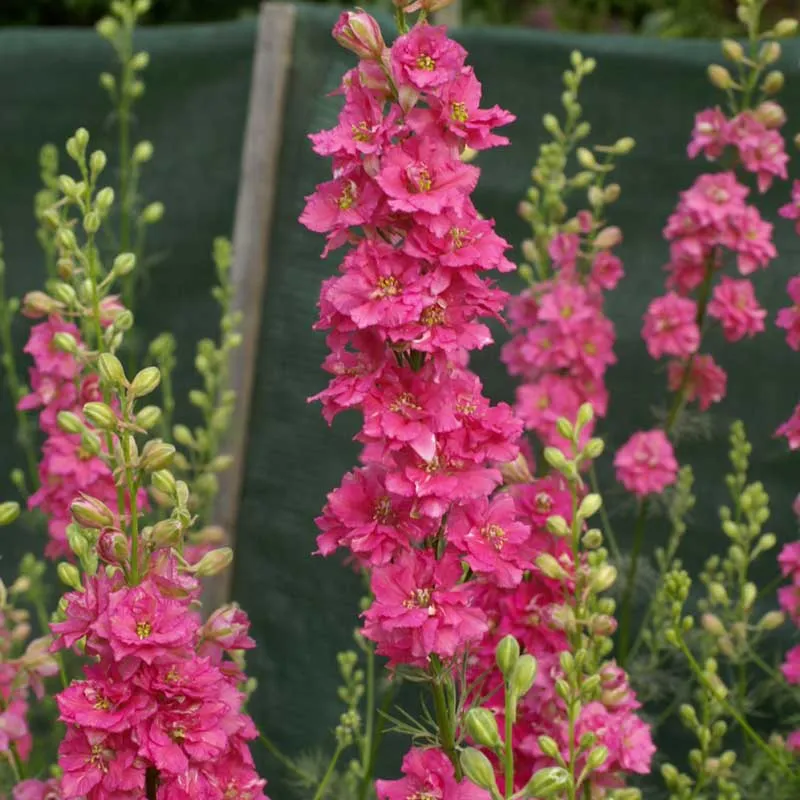
VEGSOW Larkspur Seeds - QIS™ Rose
$2.00
$3.00
- Professional-grade QIS™ series selection for uniform growth and consistent stem height.
- Produces dense, rose-colored flower spikes suitable for fresh-cut arrangements.
- High-vigor seeds formulated for reliable germination in temperate climates.
- Includes comprehensive planting and cultivation guidelines for optimal establishment.
Style: Packet
Cultivating QIS™ Rose Larkspur
The QIS™ Rose Larkspur (Consolida ajacis) is a specialized selection designed for growers seeking uniform stem length and reliable flower production. Known for its tall, sturdy spikes and delicate rose-colored blooms, this annual variety is a staple for professional cut flower gardens and ornamental landscapes.
Technical Specifications and Growth Characteristics
- Variety: QIS™ Rose (Consolida ajacis)
- Plant Type: Hardy Annual
- Growth Habit: Upright, uniform spikes
- Bloom Color: Rose/Pink
- Primary Use: Fresh-cut flowers, garden borders
Planting and Establishment Guide
To achieve successful germination and healthy plant development, follow these standardized cultivation practices:
- Soil Preparation: Prepare a well-draining seedbed with a neutral to slightly alkaline pH. Ensure the soil is free of large debris to allow for optimal root penetration.
- Sowing Depth: Sow seeds at a depth of approximately 1/8 inch. Larkspur seeds require darkness to germinate effectively; cover lightly with soil or vermiculite.
- Temperature Requirements: These seeds perform best in cooler temperatures. Ideal germination occurs between 55°F and 65°F (13°C - 18°C).
- Moisture Management: Maintain consistent soil moisture throughout the germination period. Avoid waterlogging the soil, as this can inhibit root development.
- Spacing: Thin seedlings to 6-8 inches apart to ensure adequate airflow and reduce the risk of fungal issues in dense plantings.
Gardening Success Tips
For consistent results, monitor local frost dates. In regions with mild winters, these seeds can be sown in the autumn for early spring blooms. In colder climates, sow directly outdoors as soon as the soil can be worked in early spring. Regular deadheading of spent spikes may encourage secondary blooming in favorable conditions.
You May Also Like