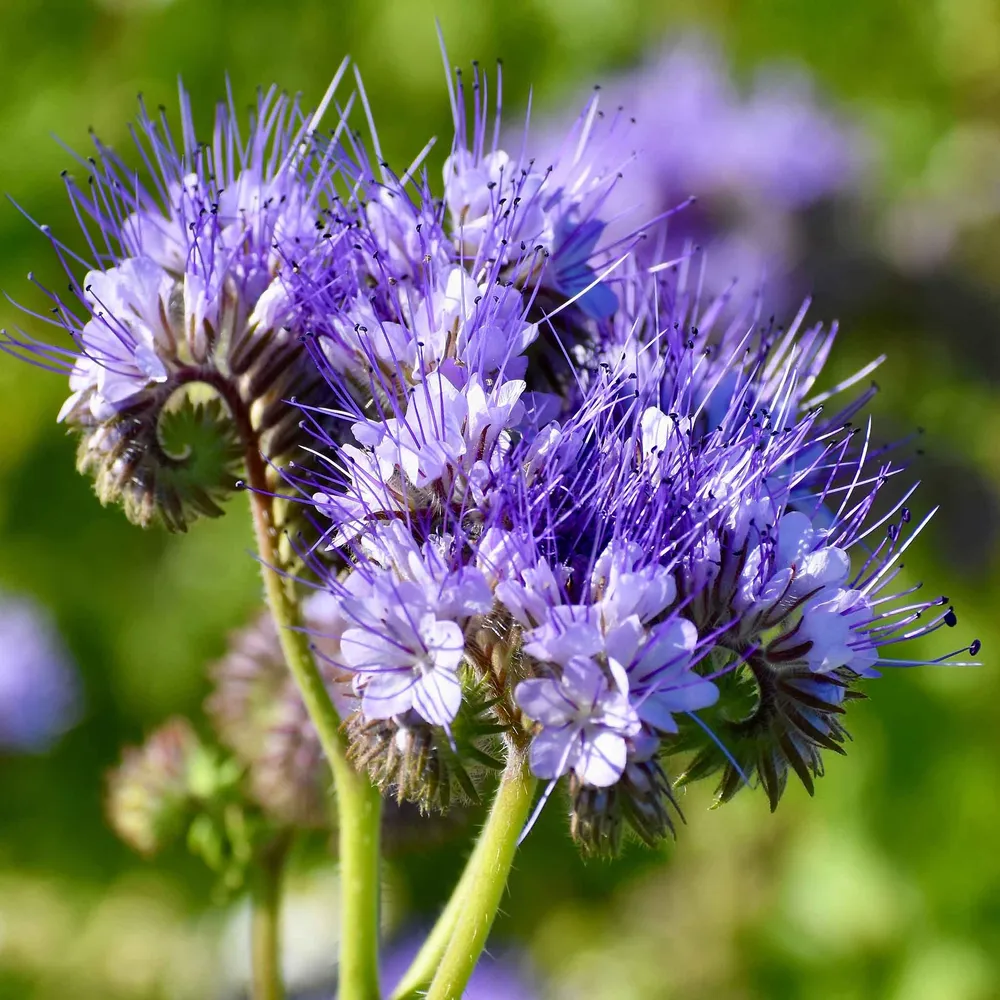
VEGSOW Lacy Phacelia Seeds (Phacelia tanacetifolia) for Pollinator Gardens
$3.00
- High-purity Phacelia tanacetifolia seeds for consistent garden performance.
- Supports local pollinator populations, including bees and beneficial insects.
- Detailed planting guidelines included to assist with successful germination.
- Non-GMO seeds suitable for various soil types and garden environments.
Style: Packet
Lacy Phacelia (Phacelia tanacetifolia) Seeds for Pollinator Habitats
Lacy Phacelia, scientifically known as Phacelia tanacetifolia, is a versatile flowering plant widely utilized in agricultural and domestic gardens to support local biodiversity. These seeds are selected for their ability to thrive in diverse environmental conditions, providing a reliable food source for pollinators.
Product Characteristics
- Botanical Name: Phacelia tanacetifolia
- Plant Type: Annual wildflower
- Primary Use: Pollinator attraction and soil health improvement
- Growth Habit: Upright, fern-like foliage with coiled clusters of lavender-blue flowers
Planting and Cultivation Guidelines
To ensure optimal growth and germination, follow these standardized cultivation steps:
- Site Selection: Choose a location with full sun to partial shade. Ensure the soil is well-drained.
- Sowing Depth: Seeds require light for germination. Sow at a depth of approximately 1/8 inch and press firmly into the soil surface.
- Watering: Maintain consistent soil moisture during the initial germination phase. Once established, the plants exhibit moderate drought tolerance.
- Spacing: Space plants 6 to 10 inches apart to allow for adequate air circulation and root development.
Ecological Considerations
Integrating specific plant species into a garden contributes to the local ecosystem. Lacy Phacelia is recognized for its high nectar production, which serves as a resource for various bee species and beneficial insects. When planning your garden, consider the native range of the species and how it interacts with your local environment to promote a balanced habitat.
You May Also Like