VEGSOW Joe Pye Weed Seeds - Atropurpureum Perennial Flower Seeds
$8.00
- Botanical variety: Eutrochium purpureum 'Atropurpureum'
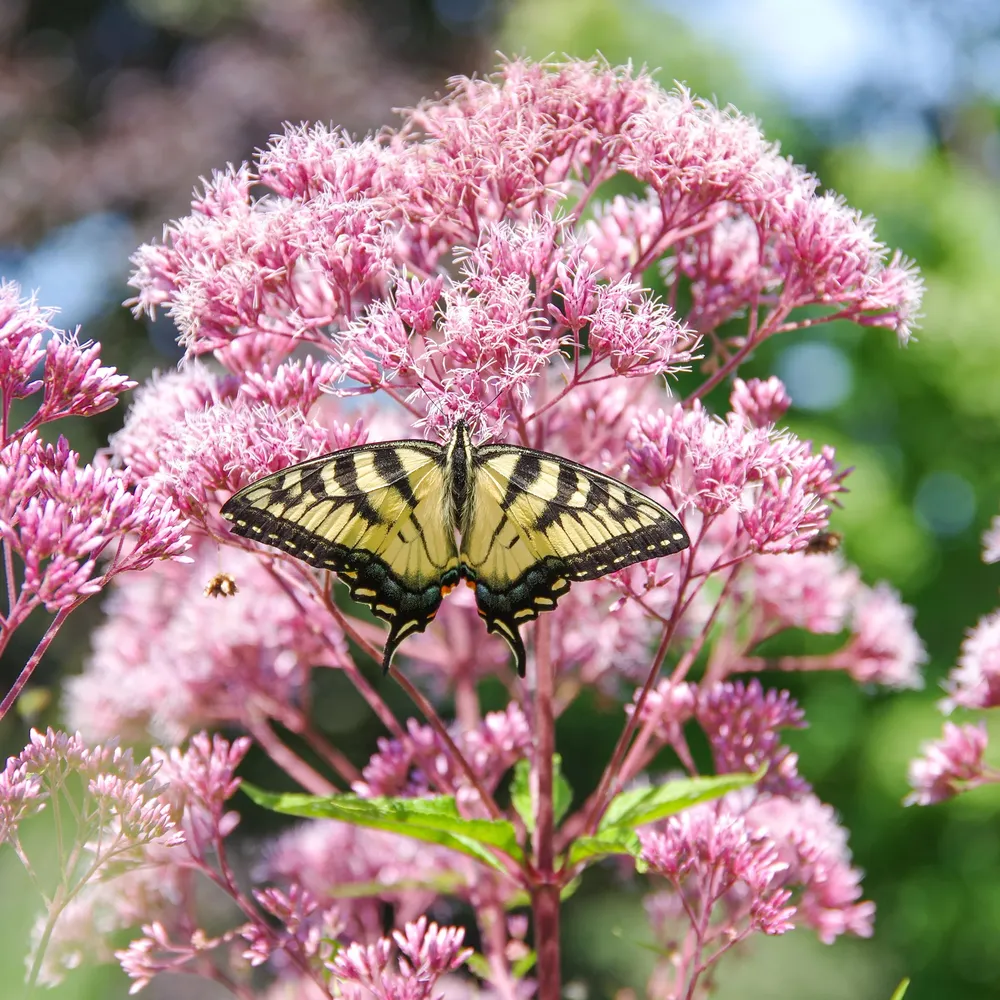
- Supports local pollinator populations including bees and butterflies
- Perennial growth habit suitable for zones 4-9
- Thrives in full sun to partial shade with consistent moisture
Style: 2 Roots / Ships in Spring
Joe Pye Weed (Atropurpureum) Planting and Growth Guide
The Eutrochium purpureum, commonly known as Joe Pye Weed, is a perennial plant recognized for its height and late-season blooms. The 'Atropurpureum' variety is selected for its distinct deep-toned stems and foliage, providing structural interest in garden landscapes.
Germination and Cultivation Requirements
Successful cultivation of these seeds requires adherence to specific environmental conditions. To optimize germination, seeds benefit from a period of cold stratification before planting. Ensure the planting medium is kept consistently moist, as these plants are native to damp meadows and woodland edges. Patience is required during the initial growth phase; while some seedlings may emerge within two weeks, others may require a longer duration depending on soil temperature and moisture stability.
Plant Characteristics
- Growth Habit: Tall, upright perennial reaching heights of 5-7 feet.
- Bloom Period: Late summer to early autumn.
- Soil Preference: Prefers rich, moist, well-draining soil.
- Light Exposure: Performs effectively in full sun to light shade.
- Maintenance: Low-maintenance once established; cut back stems in late winter or early spring.
Gardening Tips for Success
To achieve consistent results, avoid burying seeds too deeply, as they require light to germinate effectively. Press seeds firmly into the soil surface and maintain a humid environment until sprouts appear. If germination is slow, ensure the soil temperature remains stable and avoid over-saturation, which can lead to seed dormancy or decay. These plants are well-suited for rain gardens, borders, and naturalized planting areas where moisture is naturally retained.
You May Also Like