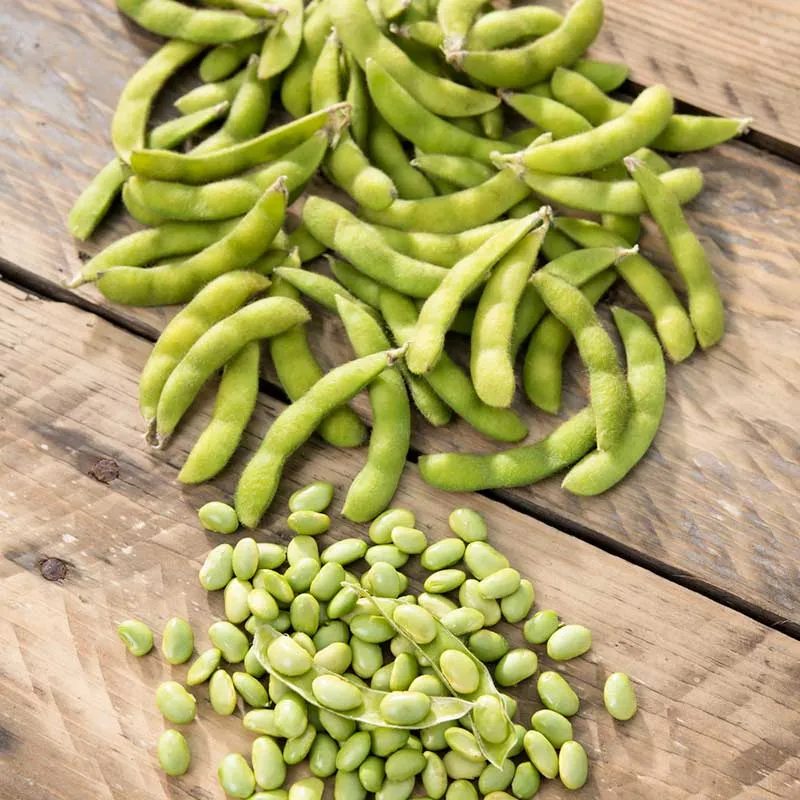
VEGSOW Edamame Bean Seeds - Vegetable Planting Seeds for Home Gardens
$3.00
- High-quality vegetable seeds suitable for home garden cultivation.
- Consistent growth cycle for reliable harvest planning.
- Responsive to standard organic composting and soil fertilization methods.
- Heat-tolerant plant variety suitable for various climate zones.
Style: Packet
Cultivating Edamame at Home
These edamame bean seeds are selected for home gardeners looking to incorporate soy beans into their vegetable patches. Edamame, or vegetable-type soybeans, are known for their nutritional profile and versatility in culinary applications. By following standard agricultural practices, these seeds provide a foundation for a productive garden harvest.
Planting and Germination Guidance
To achieve successful germination, ensure soil temperatures are consistently warm, as these seeds thrive in heat. Proper soil preparation is essential; incorporate organic compost and maintain adequate moisture levels without over-saturating the soil. If you experience lower-than-expected germination, it is recommended to plant seeds in clusters or increase the seeding density to ensure a sufficient number of plants reach maturity.
Growth and Maintenance Requirements
- Soil Conditions: Prefers well-draining soil enriched with organic matter.
- Watering: Maintain consistent soil moisture, particularly during the flowering and pod-filling stages.
- Fertilization: Apply balanced fertilizers or compost as needed to support plant development.
- Harvesting: Monitor pods regularly; they are ready for harvest when they reach a bright green color and are firm to the touch.
Optimizing Your Harvest
While individual plant yields can vary based on environmental factors such as sunlight exposure and soil nutrient density, these plants are bred to be heat-tolerant. For consistent pod production, ensure plants receive adequate spacing to allow for proper airflow and light penetration. If plants appear smaller than expected, review your fertilization schedule and ensure the soil pH is within the optimal range for soybean growth.
You May Also Like