VEGSOW Cherokee Wax Bush Bean Seeds - Heirloom Yellow Wax Beans for Home Gardening
$3.00
- High-purity seeds selected for consistent bush-habit growth, preventing unwanted vining.
- Optimized for reliable germination rates in diverse soil conditions.
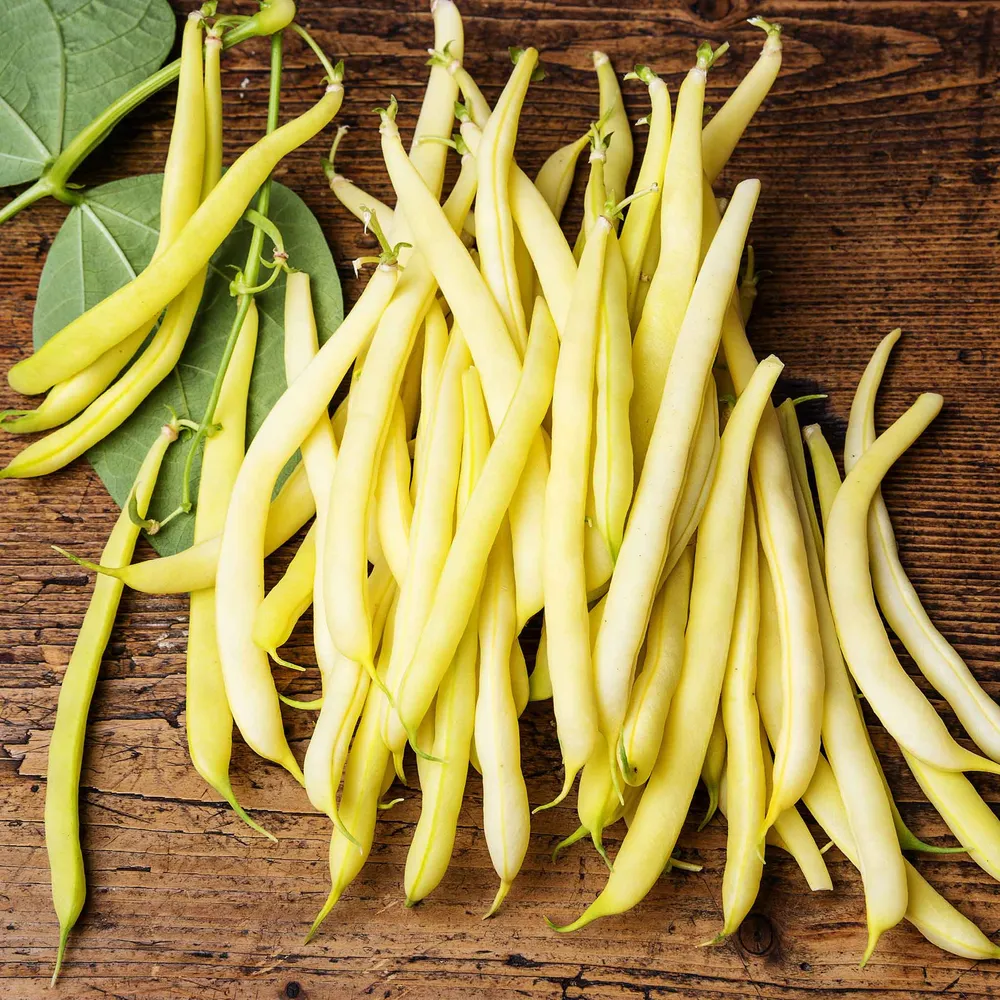
- Produces uniform, yellow wax beans suitable for fresh eating or canning.
- Compact plant structure ideal for small garden spaces and raised beds.
Style: 1 Ounce
Cherokee Wax Bush Bean Seeds for Home Gardens
Cultivate productive and uniform yellow wax beans with these heirloom-quality seeds. Designed for gardeners who prioritize consistency, these bush beans are selected to maintain a compact growth habit, ensuring that your garden remains organized and manageable throughout the growing season.
Consistent Growth and Reliable Performance
We prioritize seed quality to address common gardening challenges. Our selection process focuses on genetic stability, ensuring that your plants remain true to the bush variety rather than developing unexpected vining characteristics. This commitment to purity helps you maintain predictable harvest schedules and plant spacing.
Planting and Cultivation Specifications
- Variety: Cherokee Wax (Bush Bean)
- Growth Habit: Compact, non-vining bush
- Pod Type: Yellow, stringless wax bean
- Soil Requirements: Well-drained, fertile soil with a pH between 6.0 and 7.0
- Sun Exposure: Full sun (minimum 6-8 hours daily)
- Planting Depth: 1 inch deep
- Spacing: 3-4 inches apart within rows; 18-24 inches between rows
Garden Management Tips
For optimal results, plant seeds directly into the soil after the danger of frost has passed and the soil temperature has reached at least 60°F (15°C). Consistent moisture is essential during the germination phase and throughout the flowering period to support healthy pod development. Avoid overhead watering during the evening to maintain foliage health and reduce the risk of common soil-borne issues.
You May Also Like