VEGSOW Charleston Grey Watermelon Seeds - Heirloom Vegetable Seeds
$2.00
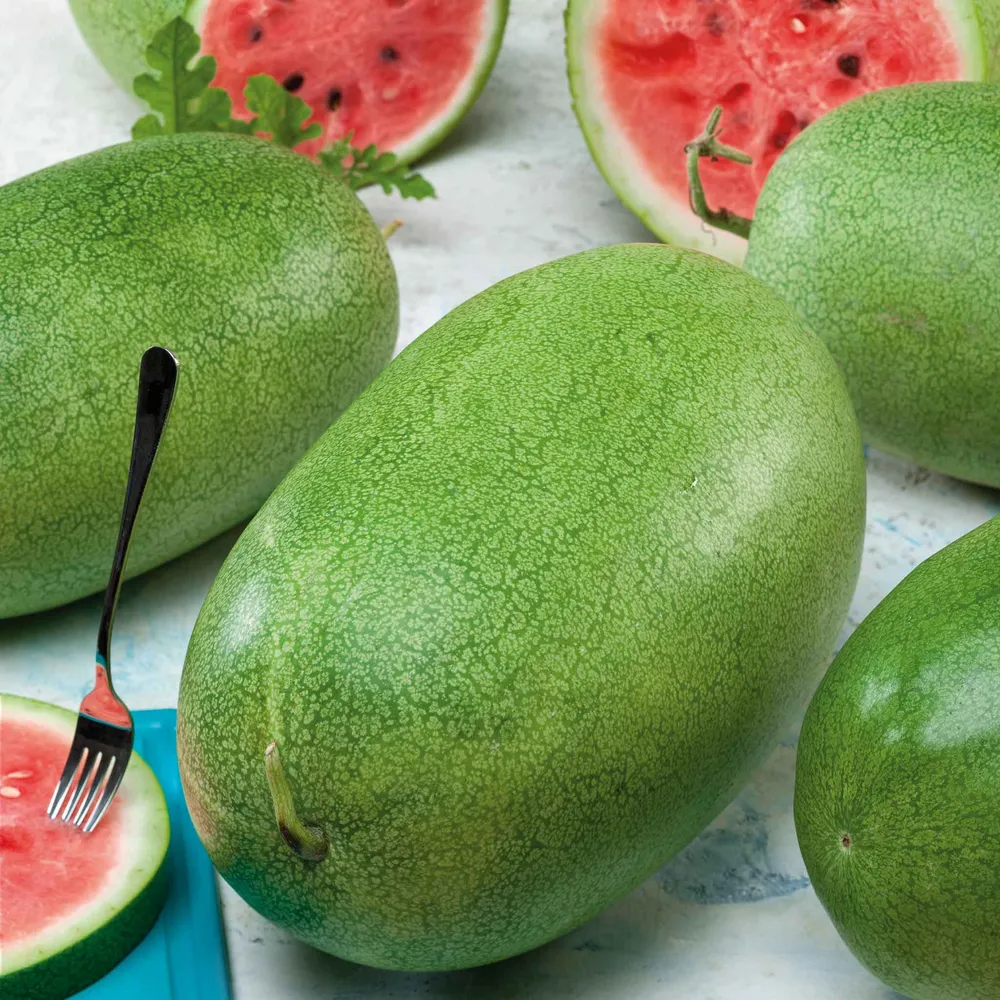
- Classic Charleston Grey variety known for oblong shape and sweet, crisp flesh.
- Selected for reliable germination performance under proper soil and temperature conditions.
- Suitable for home vegetable gardens and raised bed cultivation.
- Produces large, thick-rinded fruits resistant to common transit damage.
Style: Packet
Charleston Grey Watermelon Seeds for Home Cultivation
The Charleston Grey watermelon is a widely recognized heirloom variety, valued for its uniform oblong shape and reliable harvest. These seeds are selected for consistent viability, providing home gardeners with a stable foundation for their seasonal vegetable patches. By following recommended planting depths and maintaining adequate soil moisture, these seeds are engineered to support healthy sprout development.
Growing Guidelines for Optimal Results
To ensure successful germination, it is recommended to plant these seeds in well-draining soil once the danger of frost has passed and soil temperatures have reached at least 70°F (21°C). Consistent soil moisture is essential during the initial germination phase. Avoid over-watering to prevent seed rot, and ensure the planting site receives full sun exposure for at least 6 to 8 hours daily.
Key Features and Characteristics
- Variety: Charleston Grey (Heirloom).
- Fruit Shape: Oblong with a light grey-green rind.
- Flesh Texture: Crisp, sweet, and bright red.
- Planting Requirements: Requires warm soil and full sun; space plants 3-4 feet apart to allow for vine expansion.
- Growth Cycle: Typically reaches maturity in 85-95 days after planting.
These seeds are intended for standard outdoor gardening applications. Success in germination is dependent on environmental factors, including soil temperature, moisture levels, and planting depth. Proper garden management and adherence to regional planting calendars will assist in achieving the expected growth cycle.
You May Also Like