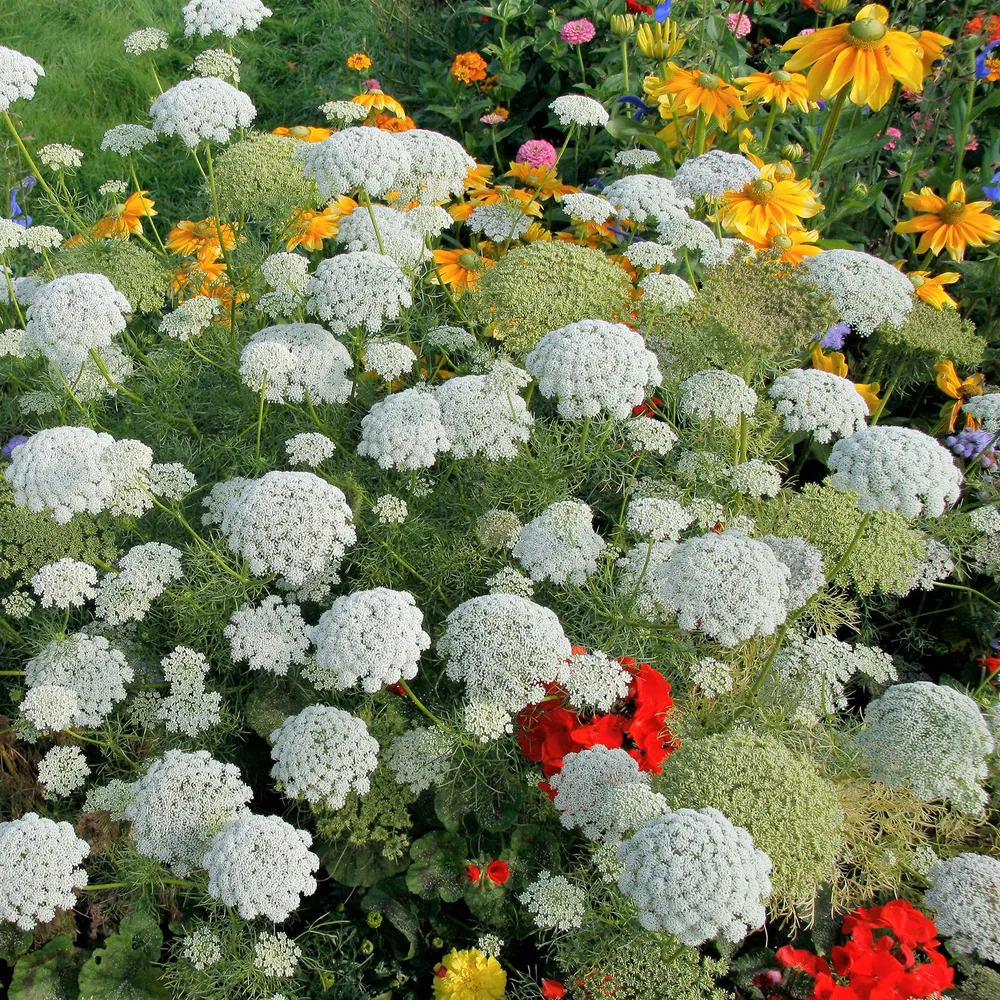
VEGSOW Bishop's Flower Seeds (Ammi Majus) - Heirloom Garden Flower Seeds
$3.00
- Features high-viability heirloom Ammi majus seeds for consistent garden performance.
- Produces delicate, white lace-like flower clusters suitable for cut flower arrangements.
- Supports local pollinator populations in home garden environments.
- Adaptable to various soil conditions with proper moisture and sunlight management.
Style: Packet
Bishop's Flower (Ammi Majus) Growing Guide
Bishop's Flower, botanically known as Ammi majus, is a classic heirloom plant valued for its intricate, lace-like white flower clusters. These seeds are selected to provide gardeners with a reliable foundation for establishing seasonal blooms. By following standard horticultural practices, these seeds are capable of developing into mature, upright plants that serve as a structural element in flower beds.
Cultivation and Growth Expectations
To address common concerns regarding germination and development, it is essential to provide the appropriate environment. These seeds require consistent soil moisture during the initial germination phase. As the plants mature, they typically reach their full height and blossom density when provided with adequate sunlight and well-draining soil. Proper spacing is recommended to ensure each plant receives sufficient airflow and nutrients to reach its full potential size.
Product Specifications
- Botanical Name: Ammi majus
- Plant Type: Heirloom annual
- Flower Color: White
- Growth Habit: Upright, branching
- Usage: Cut flowers, pollinator gardens, borders
Planting Recommendations
For optimal results, sow seeds in a sunny location after the danger of frost has passed. Lightly cover the seeds with soil, as they require a stable environment to initiate the growth cycle. Regular monitoring of soil moisture levels will support the transition from seedling to flowering stage. Patience is advised, as plant development is influenced by local climate conditions, soil temperature, and seasonal sunlight duration.
You May Also Like