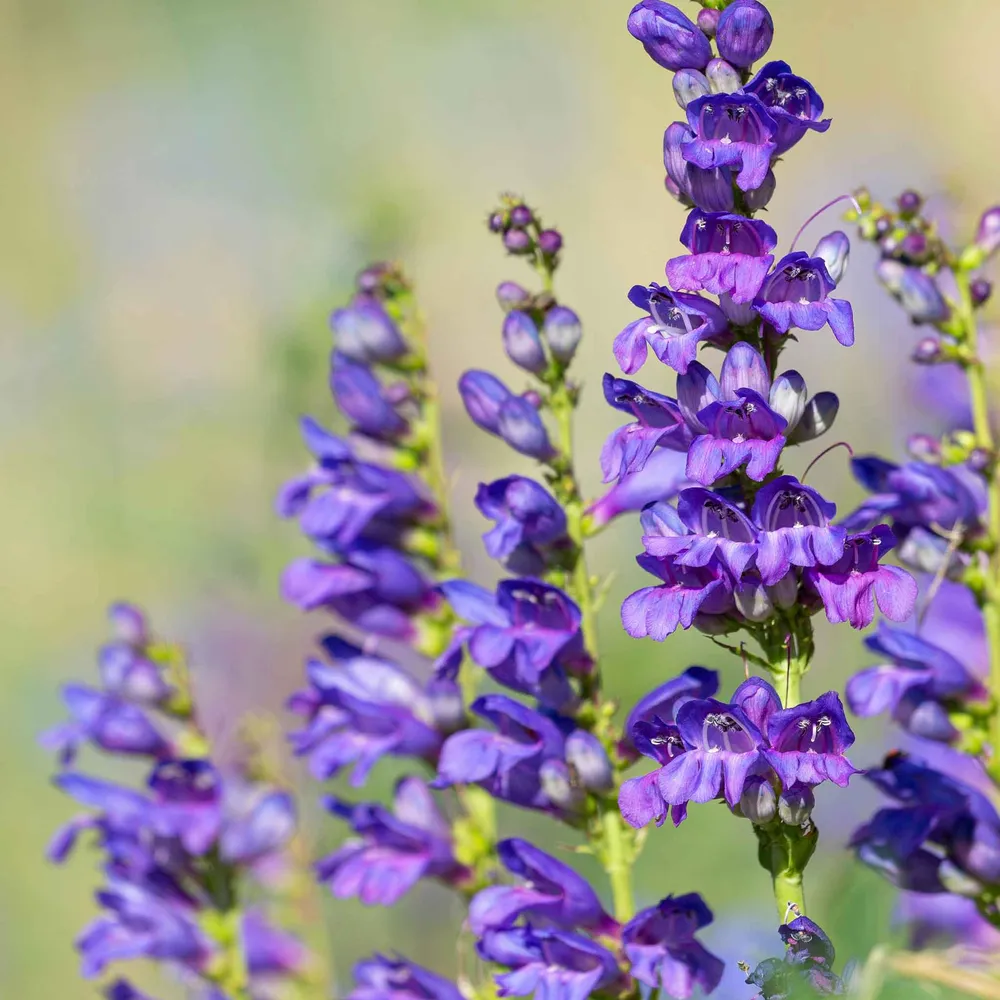
Rocky Mountain Penstemon Seeds (Penstemon strictus) - Native Perennial Wildflower
$3.00
- Produces distinct tubular blue-purple flowers suitable for xeriscaping.
- Hardy perennial variety adapted to diverse soil types and elevations.
- Supports local pollinator populations including bees and hummingbirds.
- Drought-tolerant growth habit once established in the landscape.
Style: Packet
Overview of Rocky Mountain Penstemon (Penstemon strictus)
Rocky Mountain Penstemon is a perennial wildflower native to the western United States. Known for its vertical spikes of tubular, deep blue-purple flowers, this plant serves as a functional addition to native plant gardens, rock gardens, and meadow-style landscapes. It is recognized for its ability to thrive in various environmental conditions, including rocky or sandy soils.
Growing and Cultivation Requirements
Successful cultivation of these seeds requires attention to specific environmental factors. These seeds benefit from a period of cold stratification to improve germination consistency. Once seedlings emerge, they require well-draining soil to prevent root saturation, as the species is adapted to arid and semi-arid climates.
Key Features and Characteristics
- Botanical Name: Penstemon strictus.
- Plant Type: Herbaceous perennial.
- Growth Habit: Upright flowering stalks reaching heights of 18 to 30 inches.
- Bloom Period: Typically flowers in late spring to early summer.
- Environmental Adaptation: High tolerance for drought conditions once the root system is fully established.
- Soil Preference: Prefers well-draining, neutral to slightly alkaline soil compositions.
- Sun Exposure: Requires full sun to partial shade for optimal flower production.
Maintenance and Care
To support plant health, ensure adequate spacing between seedlings to allow for proper airflow. While the plant is drought-tolerant, supplemental water may be required during the initial germination and seedling establishment phase. Avoid over-fertilization, as this species is adapted to nutrient-poor, native soil conditions. Regular monitoring for competing vegetation is recommended during the first growing season to ensure the seedlings have sufficient space to develop.
You May Also Like