
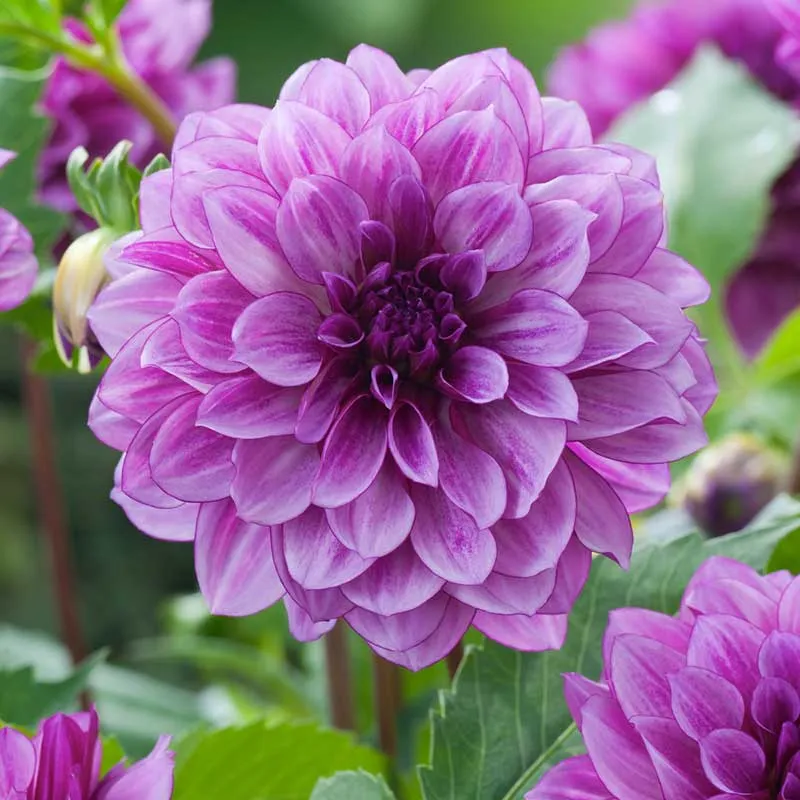
Blue Bell Decorative Dahlia Tubers - Spring Planting Garden Flower Bulbs
$12.00
- Decorative Dahlia variety featuring distinct Blue Bell coloration.
- Designed for standard spring planting cycles in temperate garden zones.
- Selected for structural integrity to support healthy root establishment.
- Suitable for container gardening or traditional garden bed planting.
Style: 2 Bulbs / Ships in Spring
Blue Bell Decorative Dahlia Tubers for Garden Landscapes
These Blue Bell decorative dahlia tubers are cultivated for gardeners looking to incorporate structured, vibrant blooms into their seasonal landscape. Each tuber is inspected to ensure it meets the physiological requirements for successful planting and root development when provided with appropriate soil, moisture, and temperature conditions.
Planting and Growth Guidance
To support optimal sprouting and plant health, please observe the following horticultural practices:
- Soil Preparation: Plant in well-draining soil with a neutral pH level to prevent moisture retention issues that can affect tuber health.
- Temperature Requirements: Ensure the soil temperature has reached at least 60°F (15°C) before planting, as cold, damp soil can delay or inhibit the germination process.
- Depth and Spacing: Bury the tubers approximately 4 to 6 inches deep, allowing 18 to 24 inches of space between plants to ensure adequate airflow and nutrient access.
- Moisture Management: Maintain consistent soil moisture without waterlogging the area. Over-saturation is a common factor in poor sprouting outcomes; monitor drainage closely during the first few weeks.
Product Specifications
- Variety: Decorative Dahlia (Blue Bell)
- Usage: Outdoor garden beds, borders, and large containers
- Growth Habit: Upright, branching stems suitable for cut flowers
- Planting Season: Spring, after the danger of frost has passed
By following standard gardening practices regarding soil aeration and moisture control, these tubers are prepared to develop into mature plants. Consistent environmental conditions are essential for achieving the expected growth cycle and floral output.
You May Also Like
$3.00
$2.00$3.00
$2.00$3.00